Blog
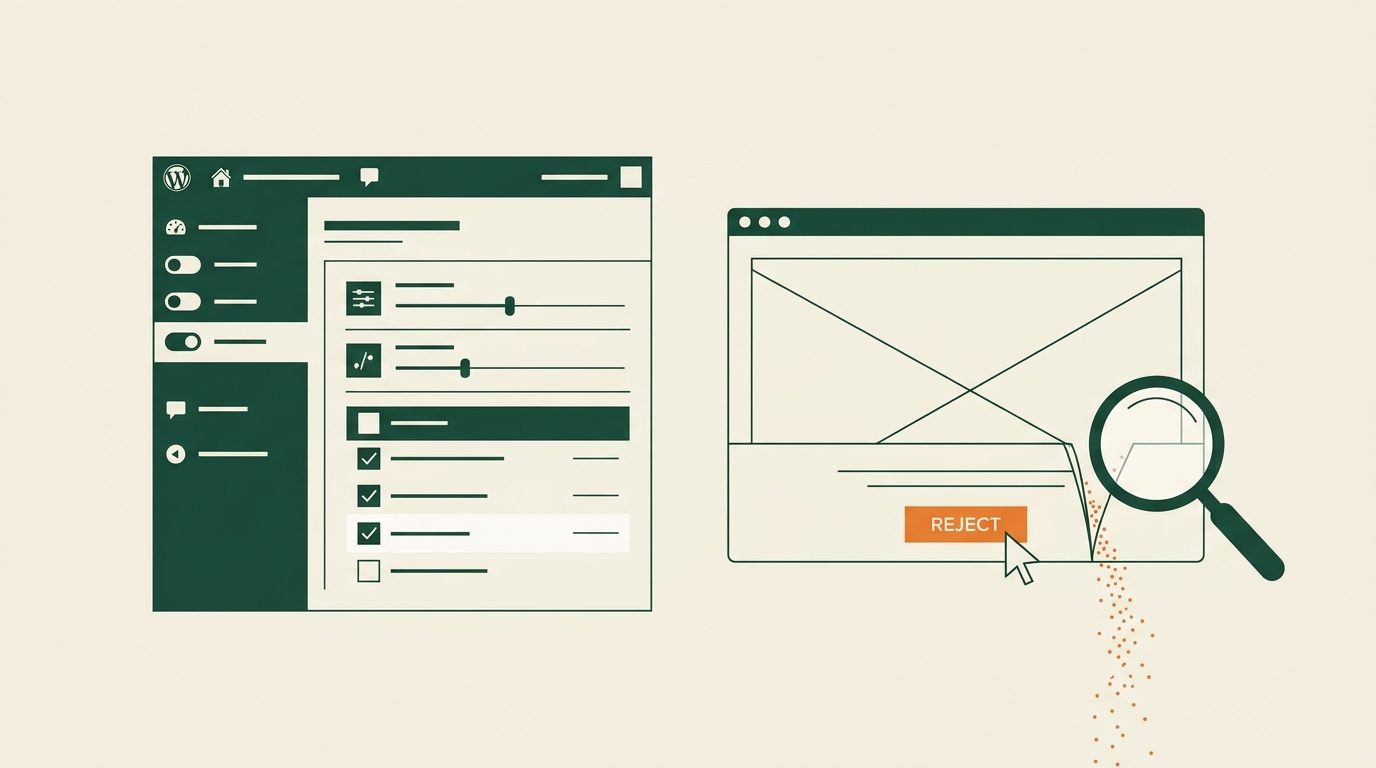
Complianz GDPR plugin check: the Reject button is there, but does it actually work?
The Complianz WordPress plugin makes Reject easy to find. Our scan of 673 Complianz sites shows what still loads after the click: Meta Pixel, Google tags, Google Fonts. The UK settings to check and a 2-minute test.

Cookie Consent by Industry: Even Marketing Agencies Get It Wrong
We compared cookie consent across 10 small-business industries. Differences are moderate, and a quarter of marketing agency sites keep tracking after Reject.

No Banner at All: Most Small-Business Sites in Central and Eastern Europe Never Ask for Consent
62.5% of small-business sites we scanned in 9 CEE countries showed no cookie banner, including 59.3% of sites with pre-consent issues. And 54.1% of banners hid Reject.

Netherlands Cookie Consent Report 2026: Most Dutch Small Businesses Skip the Banner
We scanned 7,817 Dutch small-business sites. Only 25.9% showed a cookie banner, the lowest of seven EU countries, while 42.3% loaded trackers before consent.
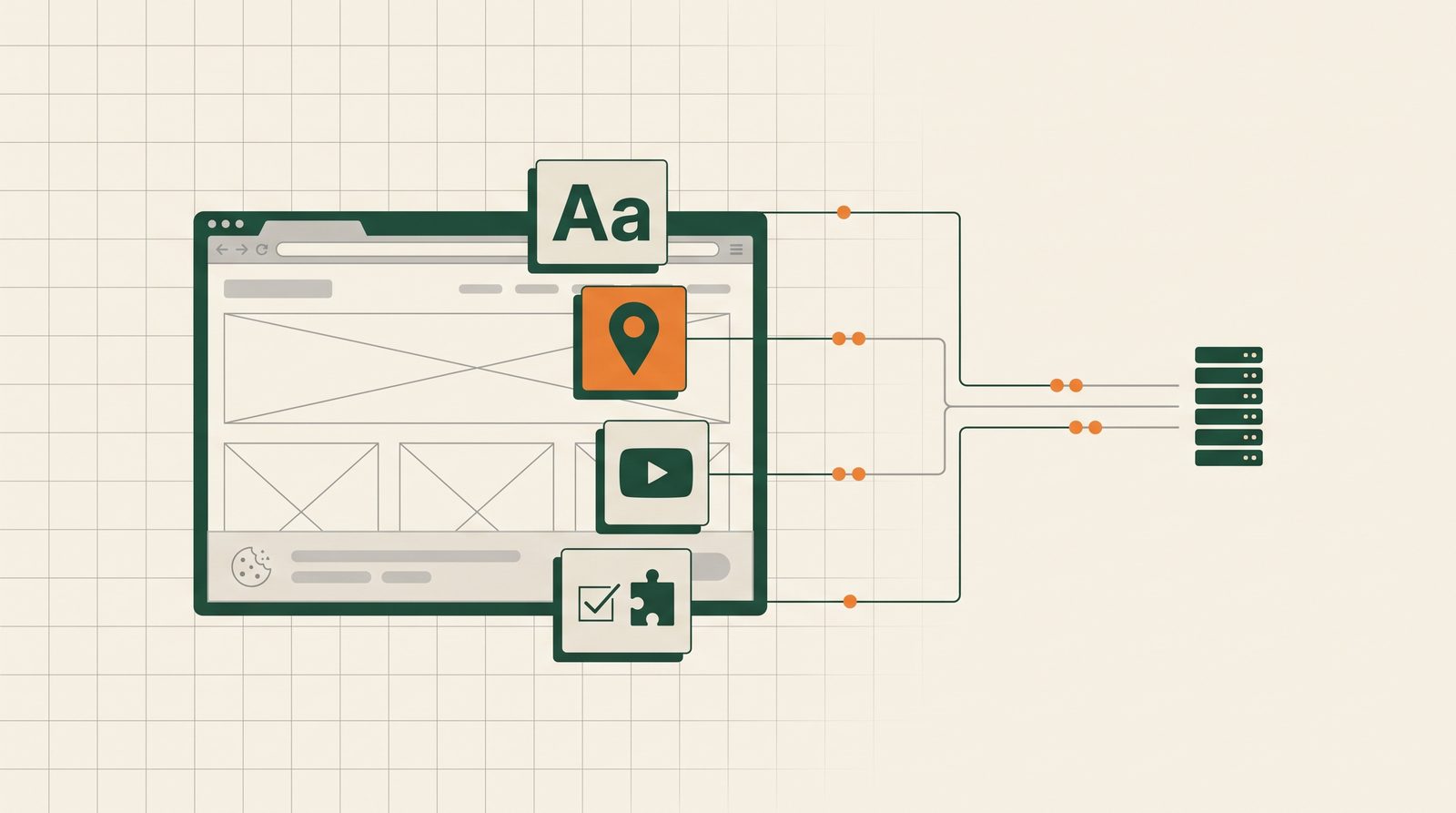
Google Fonts, reCAPTCHA and Maps: The Third-Party Services Loading Before Consent in Central and Eastern Europe
65.6% of small-business sites we scanned in 9 CEE countries loaded a third-party service before consent. Google Fonts from Google's servers alone: 6,958 sites (63.6%).

consentmanager prüfen: Automatische oder manuelle Blockierung – was hält Tracker wirklich zurück?
Bei consentmanager entscheidet der Blockiermodus, ob Google Analytics, Meta Pixel & Co. vor der Einwilligung wirklich schweigen. Beide Modi im Vergleich, die typischen Lücken und wie Sie Ihr Setup selbst nachmessen.
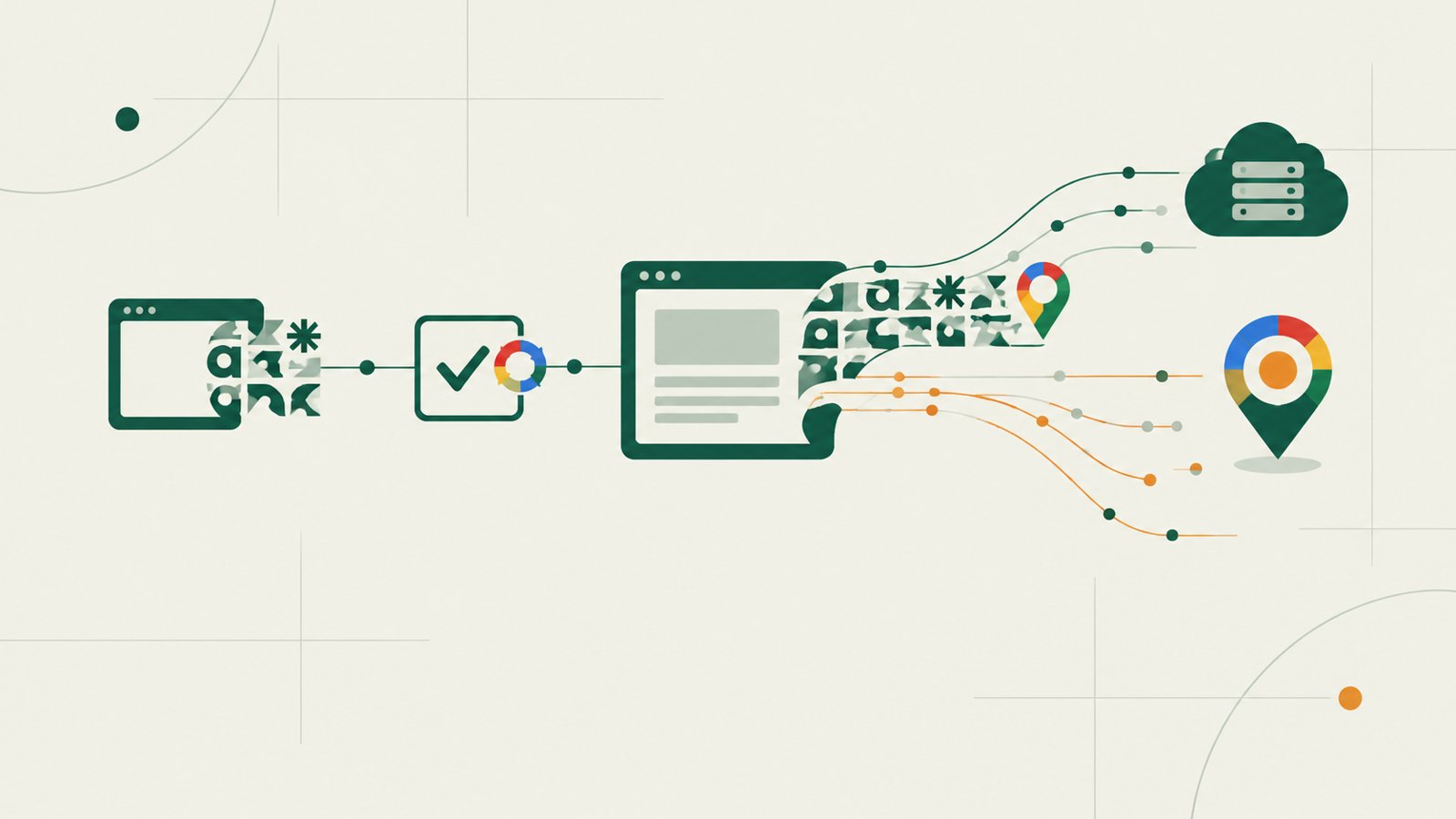
Google Fonts Still Load From Google on Most Small-Business Sites
Google Fonts loaded from Google on 13,690 of 23,367 small-business sites we scanned, before consent. Here's why banners don't stop it and how to self-host.

OneTrust cookie consent check: when many teams add tags, what gets past the banner?
On a large site the OneTrust banner is rarely the problem. The tag a team added last month is. Auto-blocking vs manual categories, Consent Mode v2, geolocation rules, our scan data and a 2-minute test.
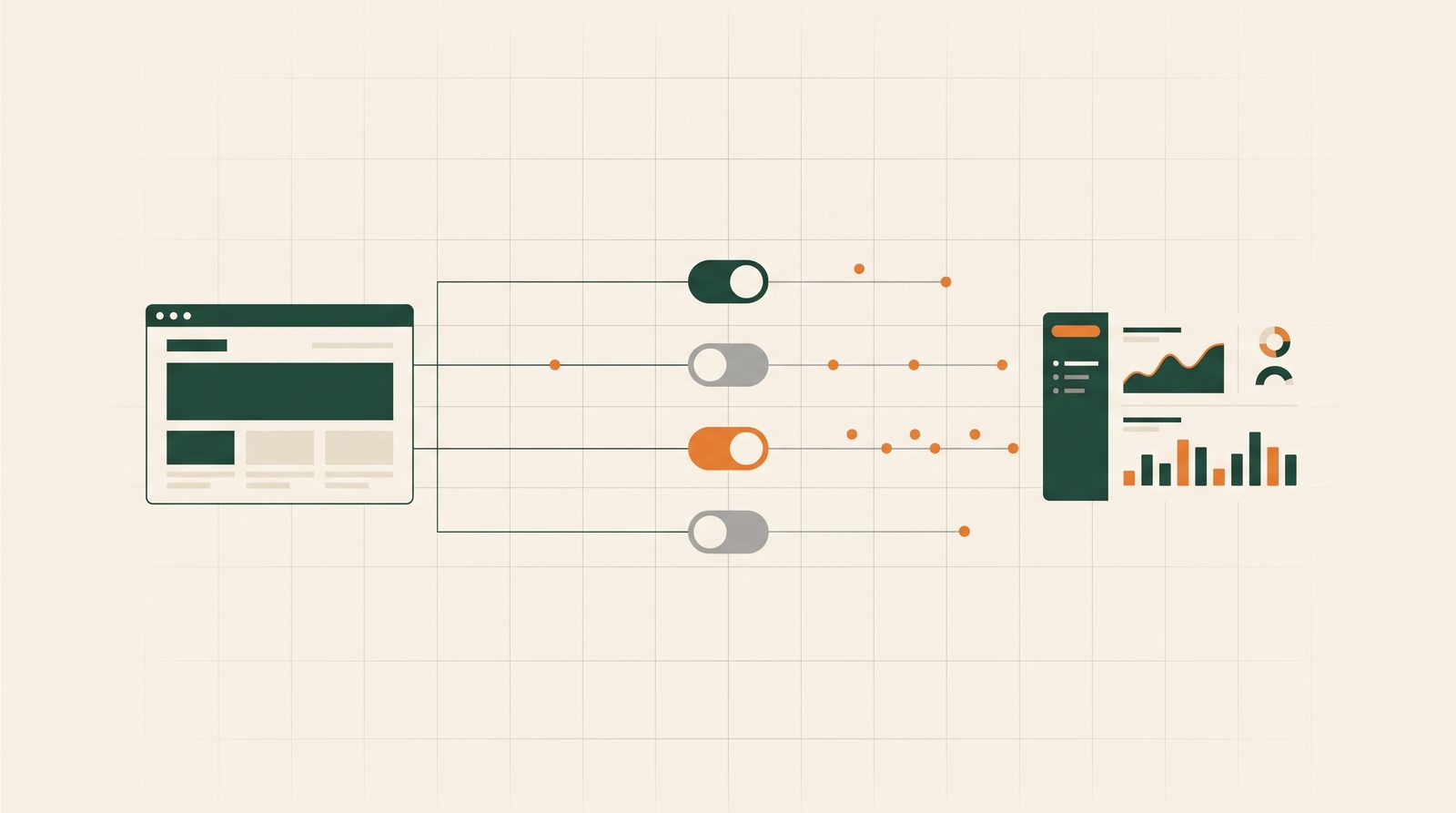
Consent Mode v2 in Central and Eastern Europe: Most Sites With Google Tags Still Skip It
Of 5,696 CEE small-business sites running Google tags, 63.1% send no Consent Mode signal, and 18.6% of the setups that exist report "granted" before the visitor chooses.

Complianz op WordPress testen: blokkeert de plugin echt alles na \"Weigeren\"?
Complianz is een Nederlandse cookieplugin voor WordPress. In onze scan van 601 Complianz-sites stuurde de helft na \"Weigeren\" nog steeds data naar derden. Waar het misgaat en hoe je het zelf meet.

Rapport 2026 sur le consentement aux cookies en France : l'effet CNIL se voit
Les sites des petites entreprises françaises respectent mieux le refus des cookies que leurs voisins européens. Mais Consent Mode et Google Fonts restent à la traîne.

Cookiebot: lo scanner trova i cookie, ma il banner li blocca davvero? Come verificarlo
Lo scanner di Cookiebot gira ogni mese e la dichiarazione cookie è in ordine. Ma Meta Pixel e Google Ads aspettano davvero il consenso? I dati di 367 siti con Cookiebot, le regole del Garante e un test che fai da solo.

Poland Cookie Consent Report 2026: Small-Business Websites Under the Microscope
We scanned 2,873 Polish small-business websites. 54.0% loaded trackers before consent, and 38.4% kept tracking after Reject, close to double the seven-country average.

CookieYes na WordPressie: jak sprawdzić, czy wtyczka naprawdę blokuje trackery – także po „Odrzuć”
CookieYes to najczęściej spotykany gotowy baner cookies w naszym polskim badaniu. Dane z 480 witryn, ustawienia wtyczki, które najczęściej zawodzą, i test, który zrobisz sam.
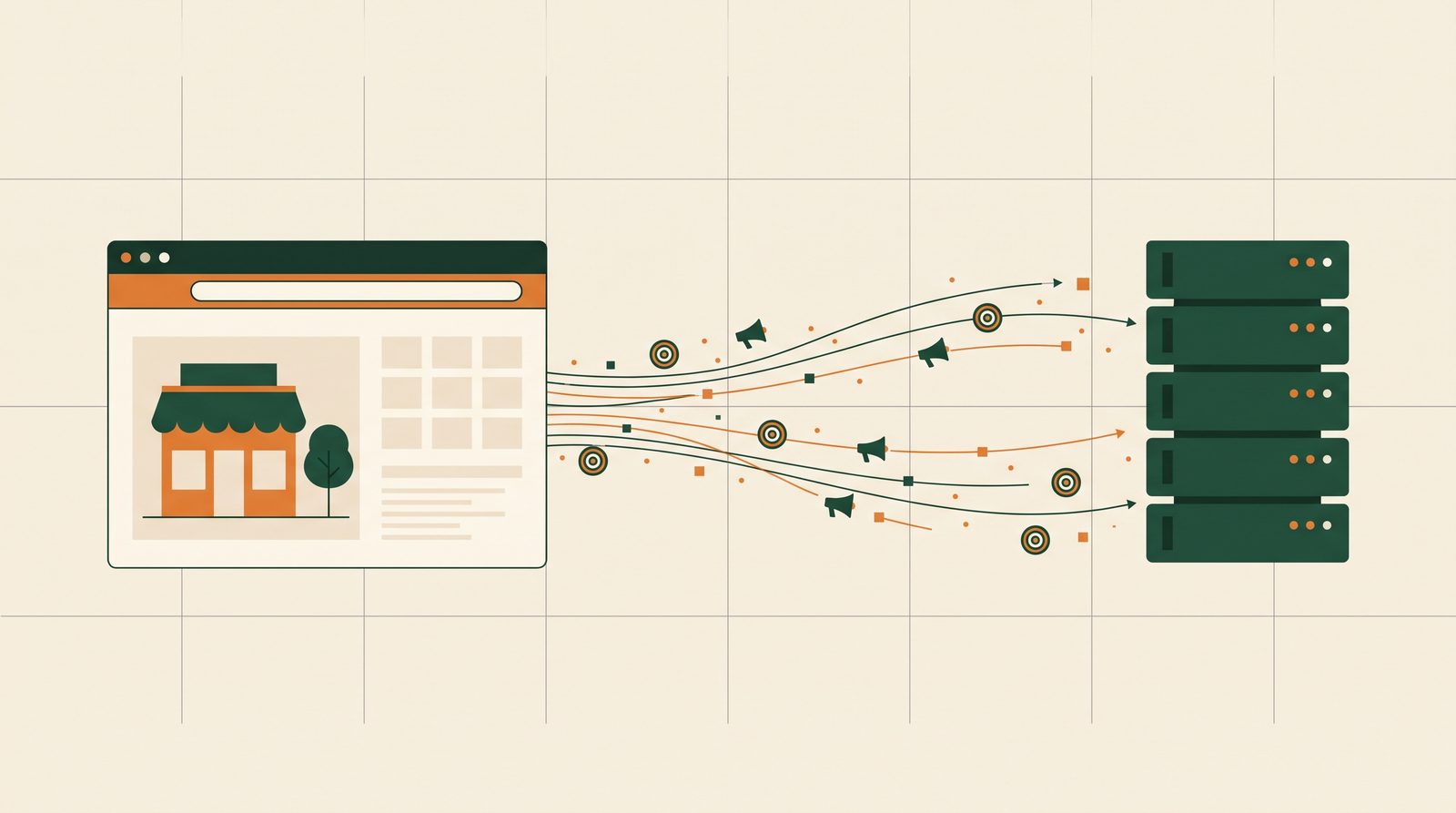
Meta Pixel and Google Ads Before Consent: 4 in 10 Small-Business Sites in Central and Eastern Europe
In our scan of 9 CEE countries, 40.8% of small-business sites fired an ad pixel before consent, led by the Meta Pixel (3,087 sites). 54.5% of them showed no banner.

CCM19 prüfen: Blockiert Ihr Cookie Consent Manager wirklich alle Skripte und Iframes?
CCM19 bietet drei Integrationsvarianten, einen Iframe-Blocker und einen Crawler. Ob vor der Einwilligung trotzdem etwas lädt, entscheidet die Einbindung. Die 7 typischen Lücken und wie Sie sie selbst finden.

Cookie Consent for SaaS Websites: What's Different From E-Commerce
SaaS marketing sites run a different tracking stack than e-commerce — lead-scoring tools, chat widgets, and marketing automation fire well before any checkout. Here's what to actually check.

Didomi : votre CMP bloque-t-elle vraiment Google Ads, Criteo et le Meta Pixel avant le consentement ?
Didomi est la CMP de nombreux éditeurs et sites médias. Mais le TCF ne bloque rien à lui seul. Nos mesures sur 79 sites Didomi, les causes techniques et comment vérifier votre intégration.
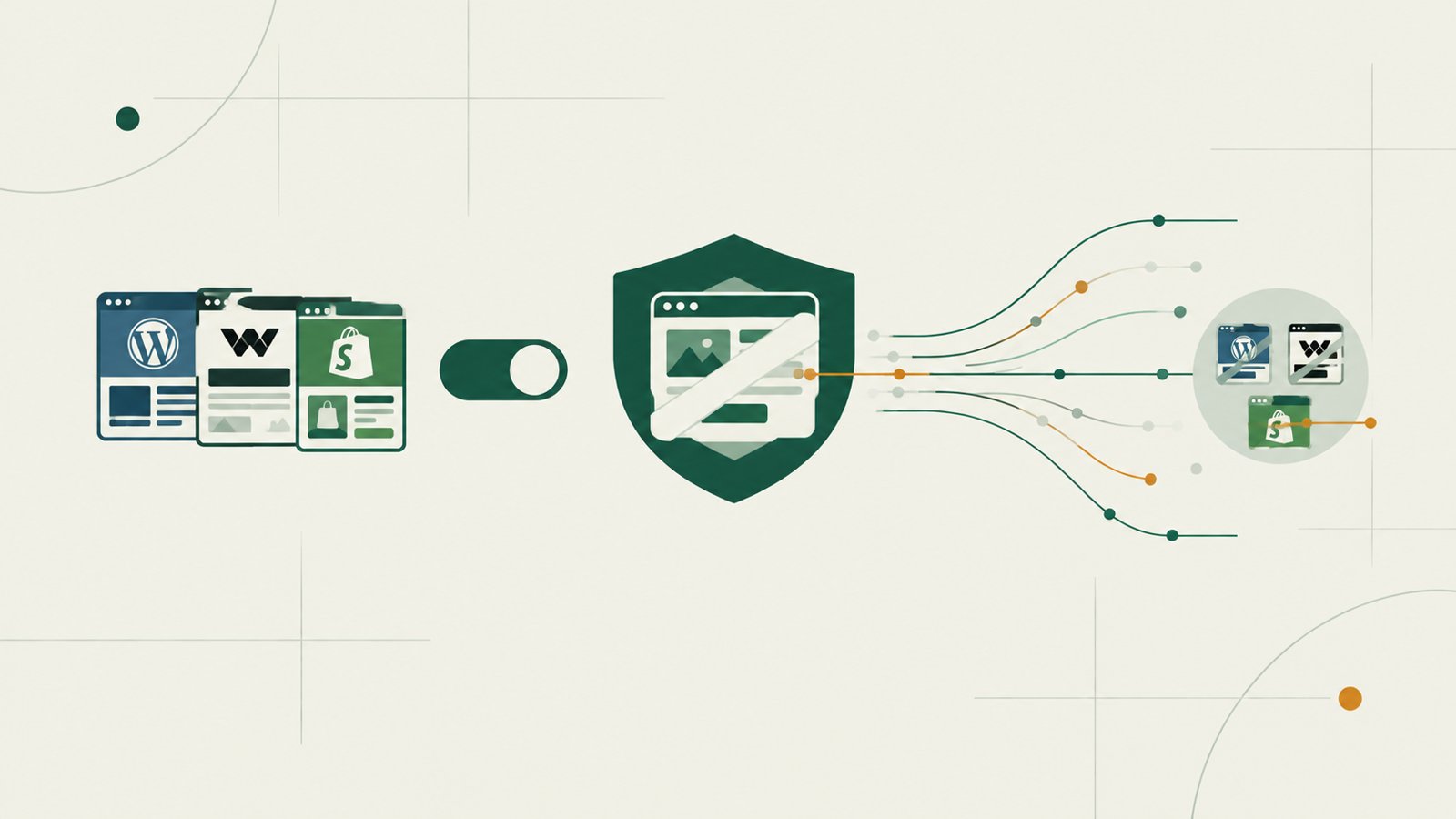
WordPress vs. Wix: Why Your Website Platform Decides Your Cookie Compliance
In our scan of 23,367 small-business sites, 53.5% of WordPress sites loaded trackers before consent, against 15.0% on Wix. The platform predicted consent behavior best.

CookieYes check: is your cookie banner really blocking Google Analytics, Meta Pixel and co.?
CookieYes is installed, the banner shows up, and trackers still fire before consent. Our data from 480 CookieYes sites, the most common causes and a 2-minute test.
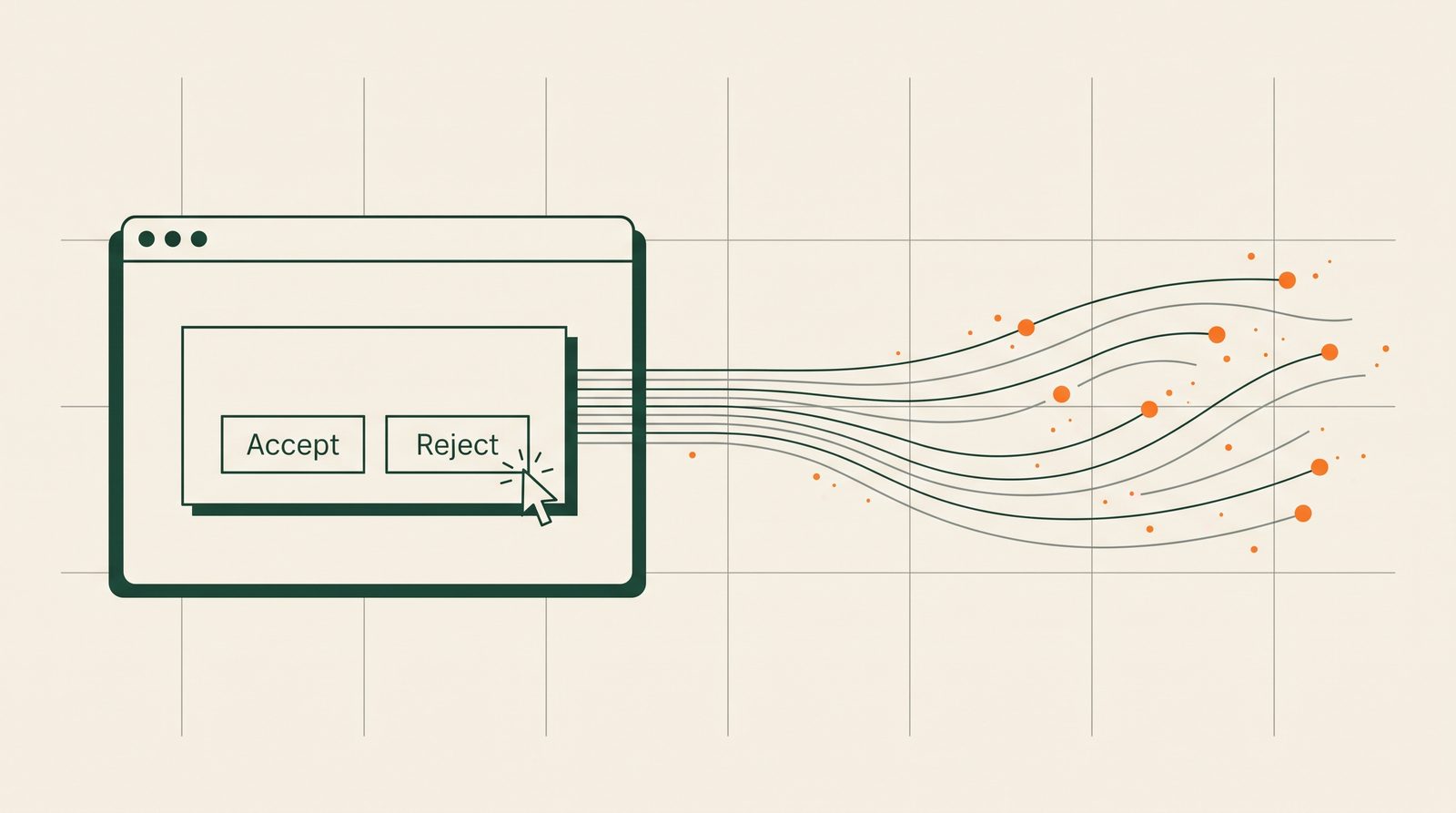
After You Click "Reject": What Still Loads on Small-Business Websites in Central and Eastern Europe
We clicked Reject on 1,881 CEE small-business sites. 25.6% kept loading trackers, 43.6% kept sending data to third parties, and the Meta Pixel was the top survivor.

Cookiebot i Consent Mode v2: jak sprawdzić, czy baner naprawdę blokuje Google Analytics, Meta Pixel i Google Ads
Cookiebot jest zainstalowany, baner się wyświetla, a trackery i tak startują przed zgodą. Dane z 367 witryn z Cookiebot, typowe błędy w Consent Mode v2 i prosty test, który zrobisz sam.

Cookie-toestemming in Nederland 2026: de meeste kleine bedrijven slaan de banner over
Slechts 25,9% van de Nederlandse kleine-bedrijfssites toont een cookiebanner, terwijl 42,3% al trackers laadt vóór toestemming. Wat we zagen en hoe je je eigen site controleert.

Borlabs Cookie prüfen: Blockiert Ihr WordPress-Banner wirklich alle Tracker?
Borlabs Cookie blockiert zuverlässig, was es kennt. Was am Plugin vorbei im Theme, im Page Builder oder im Tag Manager steckt, lädt trotzdem. Die 7 typischen WordPress-Lücken und wie Sie sie in 2 Minuten finden.

France Cookie Consent Report 2026: Where the CNIL Effect Shows
Of 5,559 French small-business sites, only 15.3% kept tracking after Reject, the lowest of seven EU countries. But Consent Mode and Google Fonts lag behind.

Verificare iubenda: il tuo cookie banner blocca davvero Google Analytics, Meta Pixel e gli altri tracker?
iubenda è installato, il banner compare, la cookie policy è a posto. Ma i tracker partono davvero solo dopo il consenso? I dati del nostro scan, le cause più comuni e un test di 2 minuti.
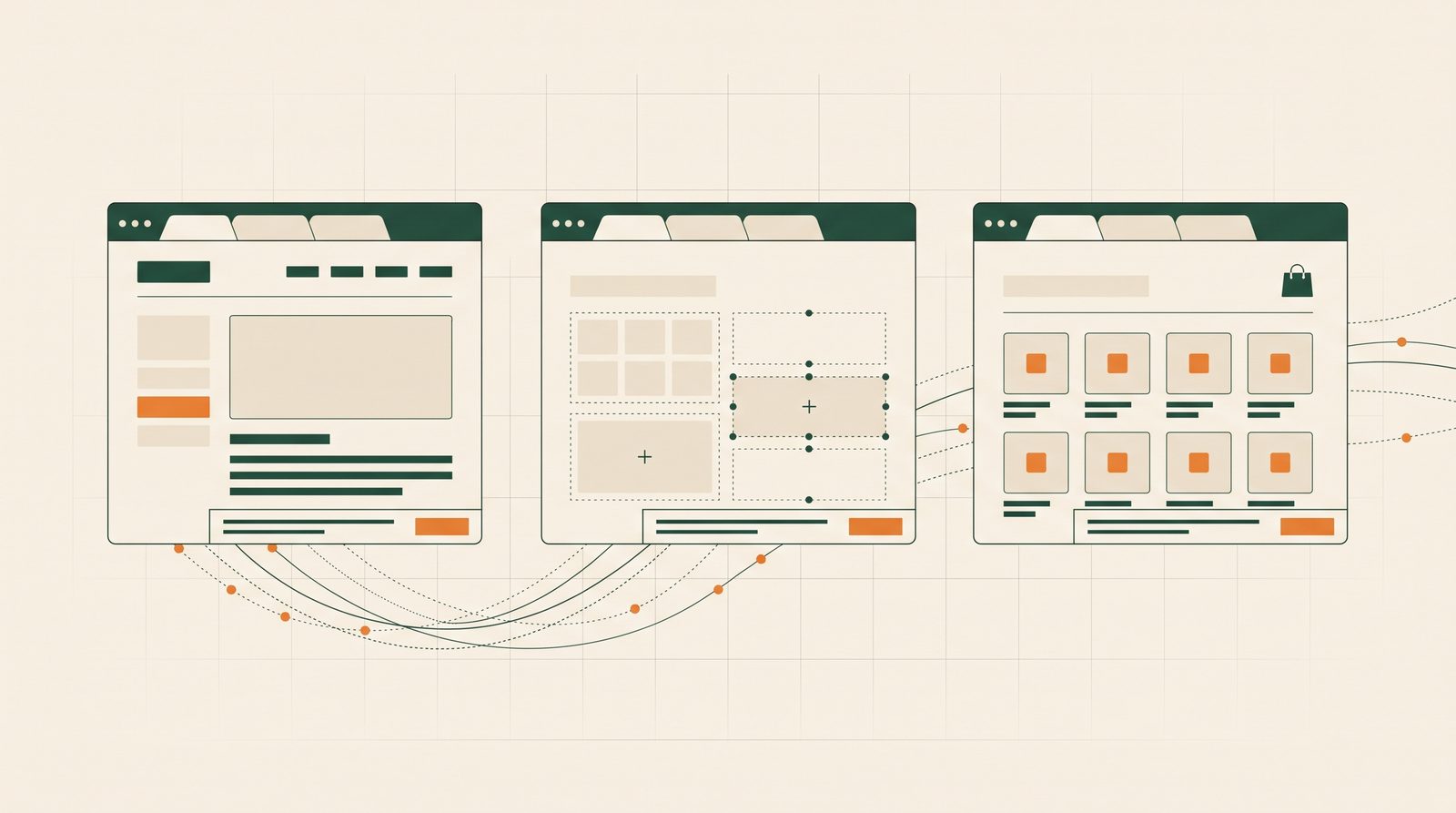
WordPress, Wix or Shopify: How Your Platform Shapes Cookie Consent in Central and Eastern Europe
In our CEE scan, 59.1% of WordPress sites tracked before consent, against 19.3% on Wix. After Reject, 30.6% of WordPress sites kept tracking. Shopify has a Consent Mode twist.

Cookiebot controleren: blokkeert jouw cookiebanner echt Google Analytics, de Meta Pixel en Google Ads?
Cookiebot is de meest gebruikte cookietool in ons Nederlandse onderzoek. Maar een banner die verschijnt, is nog geen banner die blokkeert. Onze meetdata, de 6 meest voorkomende lekken en een test van 2 minuten.

Affiliate and Referral Tracking Cookies: Do They Need Consent Too?
Affiliate-attribution cookies don't feel like "tracking" the way ad pixels do, but GDPR's test is whether the cookie is strictly necessary for the visitor — and referral tracking isn't.

Usercentrics CMP einrichten und prüfen: Auto-Blocking, Smart Data Protector oder manuell – was wirklich blockiert
Die Usercentrics CMP kennt drei Wege, Tracker vor der Einwilligung zurückzuhalten. Welcher bei Ihnen aktiv ist, entscheidet, ob das Banner wirklich etwas blockiert. Ein Überblick mit Prüfanleitung.
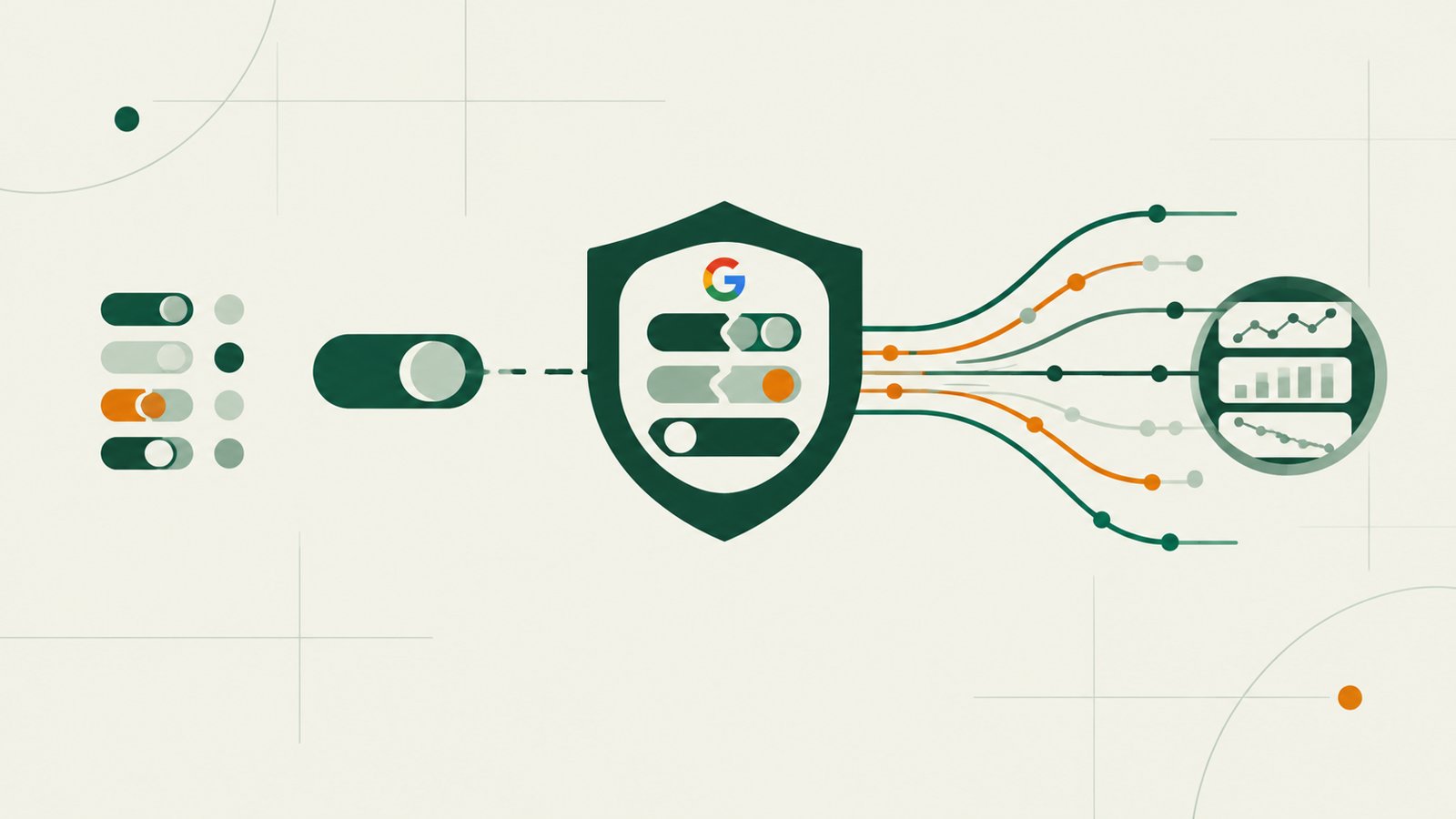
Two Thirds of Sites Running Google Tags Skip Consent Mode v2
Of 9,329 small-business sites with Google tags, 66.7% sent no Consent Mode signal and 5.4% granted consent by default. What we found and how to fix it.

Axeptio : votre bandeau cookies bloque-t-il vraiment Google Analytics, Meta Pixel et Google Ads ?
Le bandeau Axeptio s’affiche, mais Google Analytics ou le Meta Pixel se déclenchent-ils avant le choix du visiteur ? Nos données sur les sites français, les causes les plus fréquentes et un test en 2 minutes.
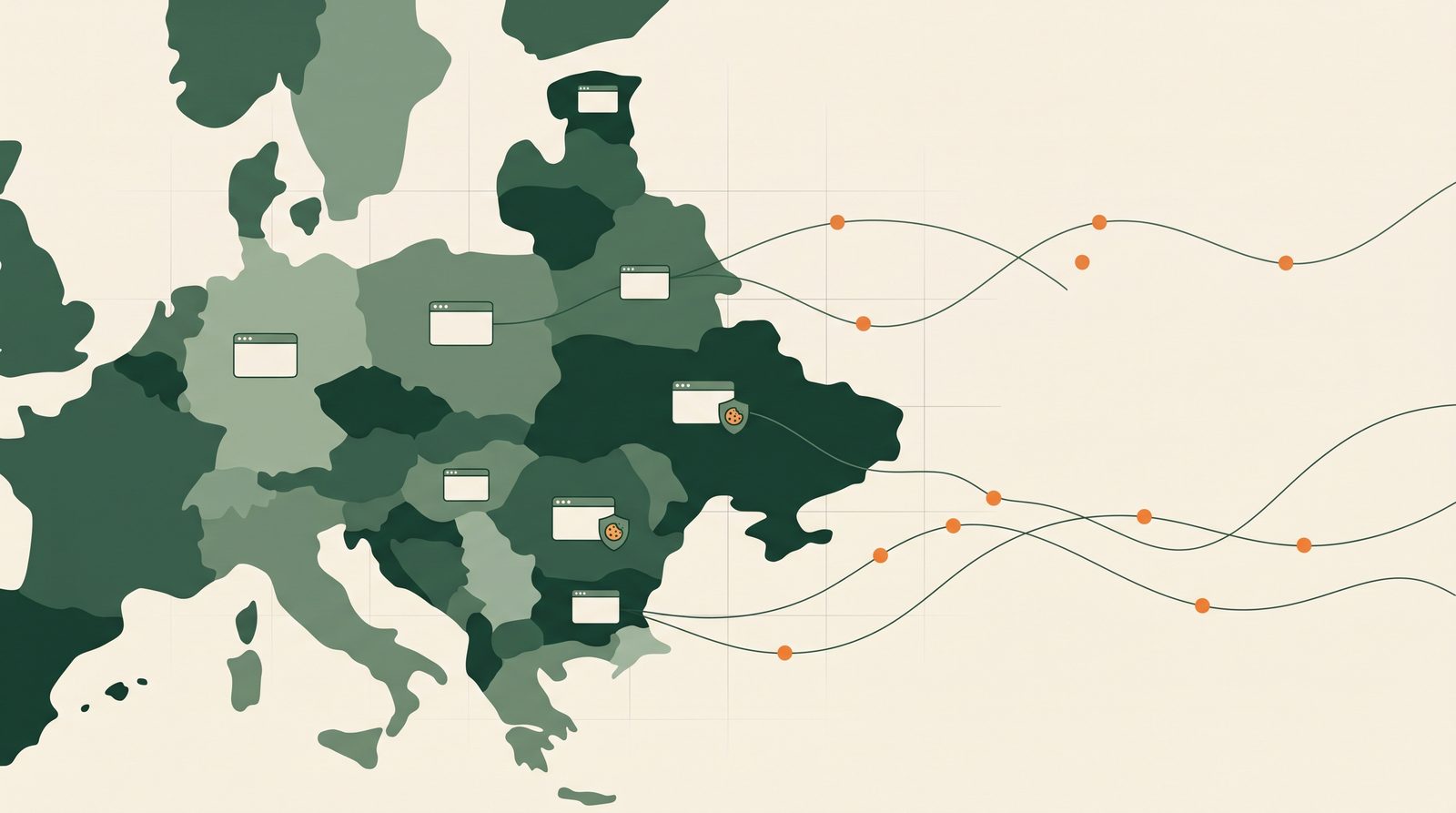
We Scanned 10,944 Small-Business Websites in Central and Eastern Europe
Our scan of 10,944 small-business sites in 9 CEE countries: 51.7% track before consent, 40.8% fire an ad pixel, and only 37.5% show a banner. Bulgaria tops the list.

Cookiebot prüfen: Blockiert Ihr Cookie-Banner wirklich Google Analytics, Meta Pixel & Co.?
Cookiebot ist installiert, das Banner erscheint – und trotzdem feuern Tracker vor der Einwilligung. Unsere Daten von 367 Cookiebot-Websites, die häufigsten Ursachen und ein 2-Minuten-Test.

Why Cookie Banners Fail More Often on Mobile Than Desktop
A banner that's fully compliant on desktop can quietly fail on mobile — a reject button clipped below the fold or sized under accessibility guidelines, invisible to a desktop-only QA check.

Does Your Web Host Affect Cookie Compliance? What the Data Says
We compared 23,367 small-business sites by hosting network. Hosts don't add trackers; platforms and site setup decide the outcome, and hosts can help.

TikTok Pixel and Cookie Consent: What Most Sites Get Wrong
TikTok Pixel is newer to most CMPs' auto-detection lists than Meta or Google tags — which means it's more likely to fire before consent without anyone noticing. Here's how to check your own setup.

The Hidden Cost of a Bad Cookie Banner: Lost Trust, Not Just Fines
Regulator fines are rare for most sites. The more common cost of a broken cookie banner is quieter: technical buyers who notice, and enterprise deals that stall during a security review nobody tells you about.

Meta Pixel and Google Ads Before Consent: The Most Common Ad-Tracking Mistake
28.6% of 23,367 small-business sites fired an ad pixel before consent, and 60.8% of those had no cookie banner at all. Here is how to check and fix yours.

Cookie Consent and Google Tag Manager: The Trigger Mistake That Breaks Everything
Google Tag Manager doesn't gate tags behind consent by default — each one needs its own trigger condition, and it's easy for a new or duplicated tag to quietly lose that configuration.

What a Compliant Cookie Banner Actually Looks Like (Real Examples)
"Compliant" is checkable, not vague — here's the specific first-layer checklist, with real good-vs-bad examples, and the one thing a visual check can never tell you.

1 in 5 Websites Keep Tracking After You Click "Reject"
We scanned 23,367 small-business websites in 7 EU countries. 42.9% tracked before consent, and 21.1% of sites with a Reject button kept tracking after it was clicked.

A Simple Monthly Cookie Compliance Habit for Non-Technical Site Owners
A compliant cookie banner today doesn't stay compliant automatically — a plugin update or new marketing tool can quietly break it. Here's a five-minute monthly habit that doesn't require any technical skill.

Ist dein Cookie-Banner wirklich DSGVO-konform? Warum ein Banner allein nicht reicht
Ein Cookie-Banner, der DSGVO-konform aussieht, ist nicht dasselbe wie einer, der es ist. Der Unterschied liegt nicht im Design – sondern in dem, was nach dem Klick auf "Ablehnen" tatsächlich passiert.

Bannerproof is now on the Shopify App Store
Check your Shopify store for trackers that fire before cookie consent, right from your Shopify admin — and keep it checked every week for €11 a month, billed through Shopify.

Cookiebot vs. Usercentrics vs. OneTrust: An Honest Comparison
Cookiebot, Usercentrics, and OneTrust solve the same core problem at three different scales — and none of them verify that your scripts actually respect the consent decision they collect.

Bannerproof now works inside your AI assistant
Connect Bannerproof to Claude, ChatGPT, Claude Code or Cursor and check a website’s cookie consent right in the chat — findings, fixes, re-checks and a report for your client, without leaving the conversation.

Website rechtssicher prüfen: Der DSGVO-Check, den die meisten Cookie-Banner nicht bestehen
"Rechtssicher" heißt nicht "hat einen Cookie-Banner". Der DSGVO-Check, der wirklich zählt, prüft, was im Hintergrund passiert – nicht, was auf der Oberfläche zu sehen ist.

How Cookie Consent Problems Quietly Hurt Your Google Ads Performance
Dropping Google Ads conversions or erratic Smart Bidding can trace back to a misconfigured cookie banner, not your campaign settings — specifically, a Consent Mode v2 signal that looks right but never actually fires.

Google Analytics 4 and Cookie Consent: What Changed From Universal Analytics
GA4's data model is different enough from Universal Analytics that a lot of consent setups built for the old version don't correctly cover the new one. Here's what actually changed.

The 12-Month Reconsent Rule: When You Need to Ask Again
A consent choice doesn't last forever. Most regulator guidance points to roughly 12 months as the outer limit before you need to ask a returning visitor again — here's where that number actually comes from.

Cookies auf der eigenen Website prüfen: So findest du Tracking vor Einwilligung
Cookies auf der eigenen Website prüfen klingt nach einem technischen Nebensatz – ist aber oft der Unterschied zwischen einem Cookie-Banner, der nur gut aussieht, und einem, der tatsächlich funktioniert.

Session Replay Tools (Hotjar, Clarity) and What Consent They Actually Need
Session replay and heatmap tools record more than most teams realize — and because they're often installed by a product or UX team rather than marketing, they're commonly left out of the cookie consent conversation entirely.

Bannerproof is now on the Wix App Market
Bannerproof is now available directly from the Wix App Market — add it from your dashboard, no API tokens or code required.

Cookie Consent at Checkout: Where E-Commerce Compliance Gets Tricky
The homepage banner is the easy part. Checkout and order-confirmation pages run a different set of scripts, often configured by a different team, and are the most commonly missed part of an e-commerce compliance setup.

GDPR vs. CCPA: How Cookie Consent Rules Actually Differ
Same general topic, genuinely different legal mechanics — an opt-in banner built for GDPR doesn't automatically satisfy CCPA/CPRA, and vice versa.
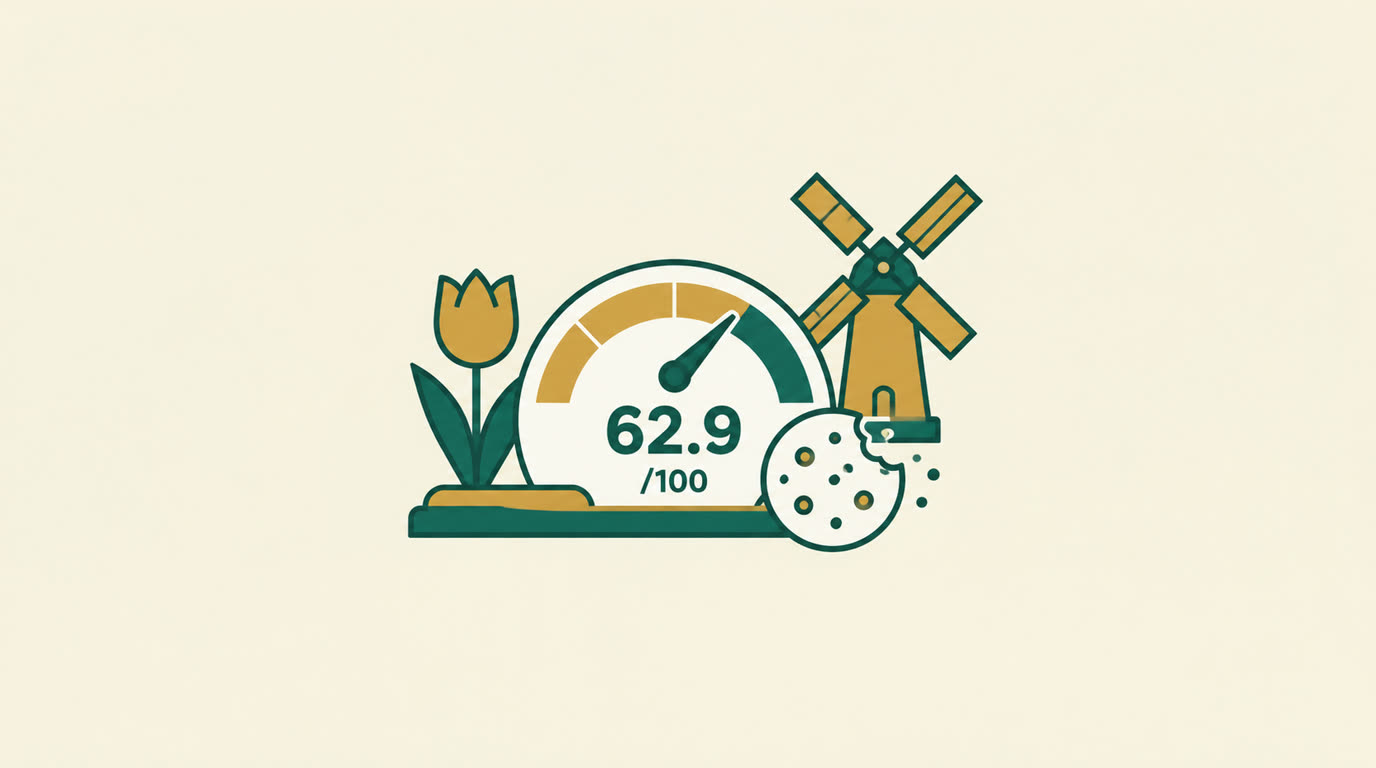
We Scanned 4,357 Dutch Local Business Websites for Pre-Consent Tracking — Here's What We Found
62.9/100 average compliance score across 4,357 Dutch local business websites — 68.9% have no cookie banner at all, and 48.1% have a tracker firing before any consent decision.

How to Audit Every Third-Party Script Running on Your Site
Most sites run more trackers than whoever's responsible for compliance actually knows about. Here's a practical process for finding all of them, not just the ones you remember installing.

Cookie Consent for Shopify Stores: What Store Owners Actually Need to Check
Shopify handles a lot of the storefront for you, but cookie consent isn't one of those things — tracking pixels, apps, and themes all add their own trackers that a default install doesn't gate.

What Actually Happens During a GDPR Cookie Compliance Investigation
Most site owners picture a surprise audit. In practice, most cookie investigations start from a complaint or a routine sweep, and follow a slower, more procedural path than people expect.

Dark Patterns in Cookie Banners: What Regulators Are Now Fining For
"Reject" buried three clicks deep, pre-ticked boxes, mismatched button colors — these aren't just bad UX anymore. Several DPAs have started treating them as GDPR violations in their own right.

WordPress Cookie Consent Plugins Compared: What They Catch and What They Miss
Most WordPress cookie plugins handle the banner UI well and the actual blocking poorly. Here's what the popular ones get right, what they miss, and how to tell which camp yours is in.

ePrivacy Directive vs GDPR: What Website Owners Need to Know About Cookies
Most people say 'GDPR' when they mean cookie consent — but the actual legal requirement to ask before setting a cookie comes from a different, older law entirely.

Does Your Site Load Trackers Before Consent? Here's How to Check
You don't need any tools beyond your browser to get a first read on whether your site is firing trackers before consent. Here's exactly how to check.

Cookie Consent for Agencies Managing Multiple Client Sites
Checking one site's cookie compliance by hand is tedious. Checking twenty client sites by hand, on a recurring basis, doesn't scale at all. Here's what actually works.
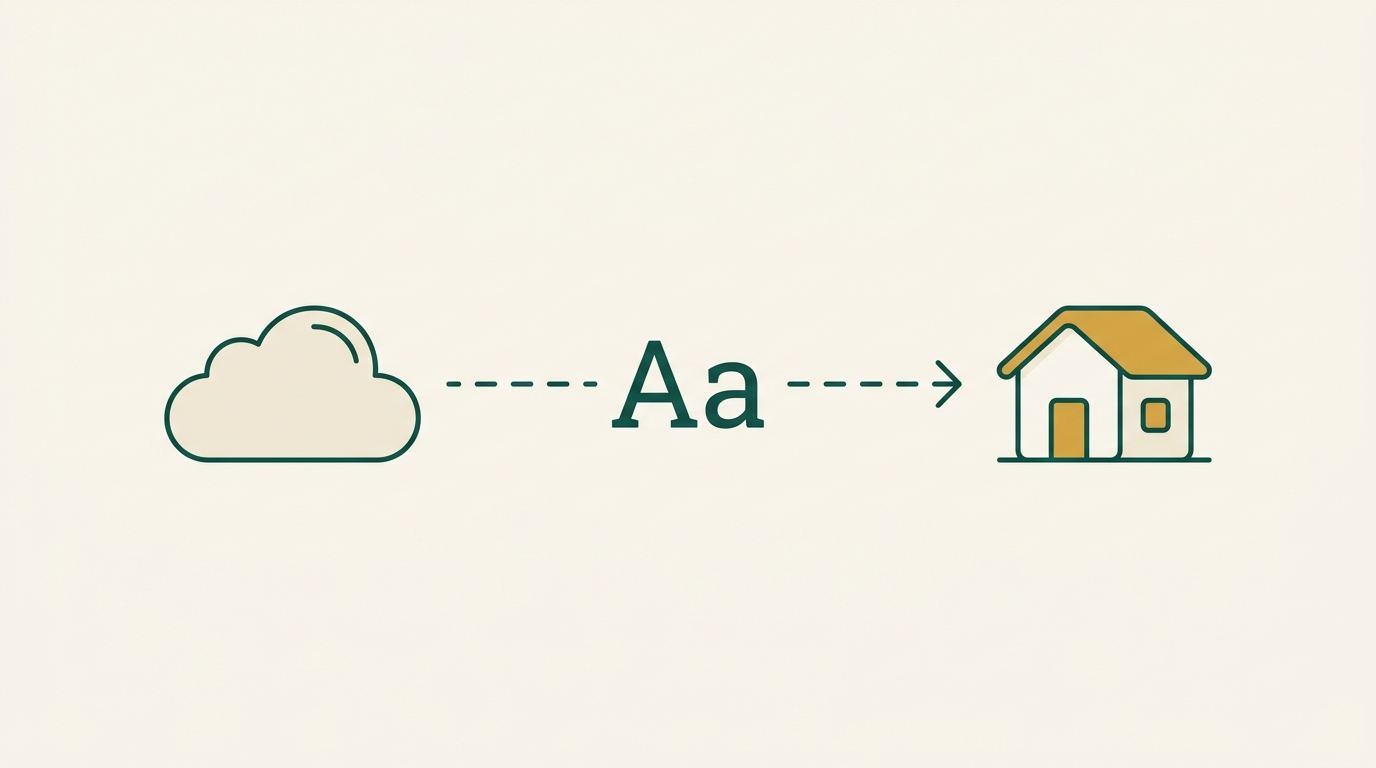
Google Fonts and GDPR: Why Self-Hosting Still Matters
A single <link> tag to Google's font CDN can be a GDPR issue on its own — before any cookie is even set. Here's why, and the simple fix.

How Much Are GDPR Cookie Fines? What Determines the Amount
Cookie-consent fines under GDPR aren't hypothetical — European regulators have issued real, large penalties specifically for consent-banner failures. Here's how the numbers work.
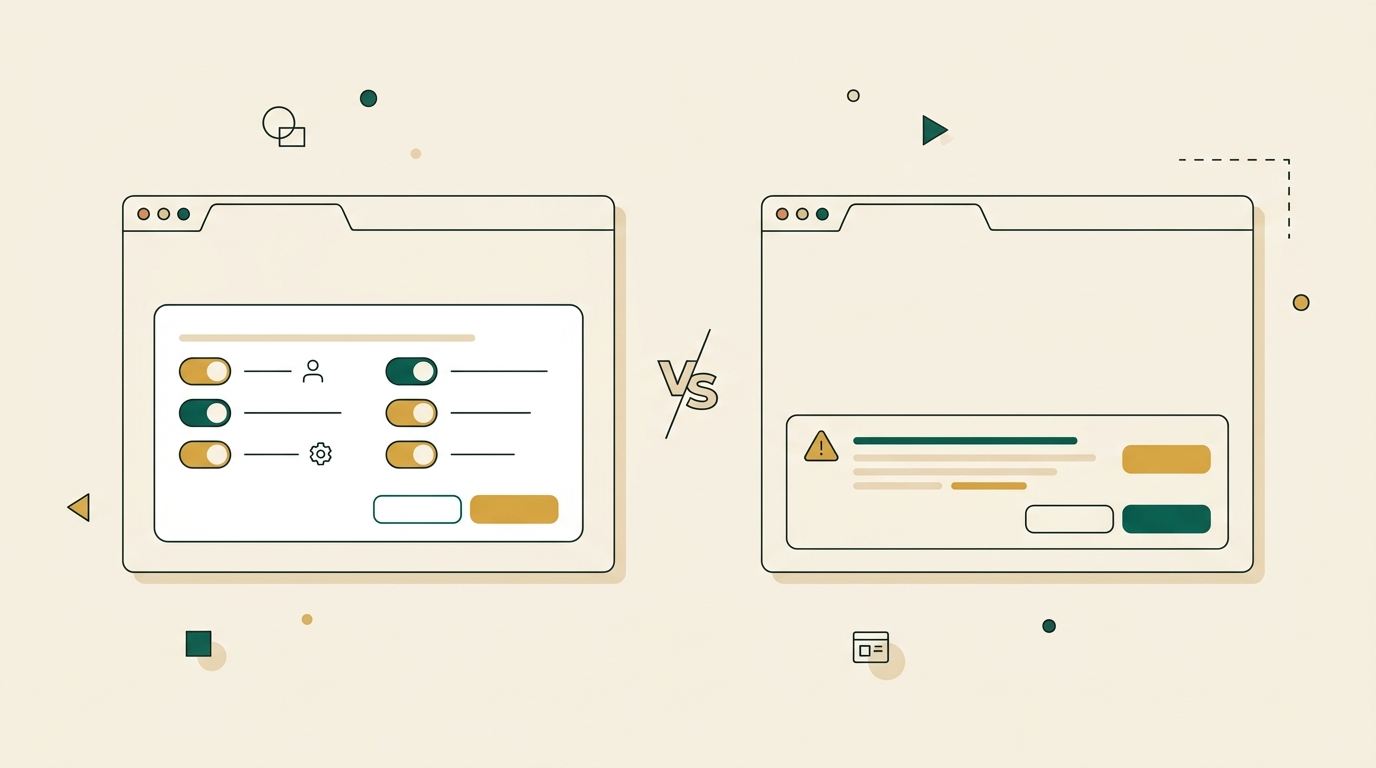
CMP vs. Manual Cookie Banners: Which Is Actually Compliant?
A $50/month CMP subscription doesn't automatically make you compliant, and a hand-rolled banner isn't automatically non-compliant. Here's what actually matters.

The Most Common Cookie Consent Mistakes We Find in Real Scans
Patterns from hundreds of real scans: the handful of mistakes that account for most cookie-consent violations, even on sites with an expensive CMP installed.

Why Your Cookie Banner's "Reject All" Button Might Not Actually Work
Having a Reject All button is not the same as the button actually stopping trackers. Here's why this gap is so common, and so easy to miss.
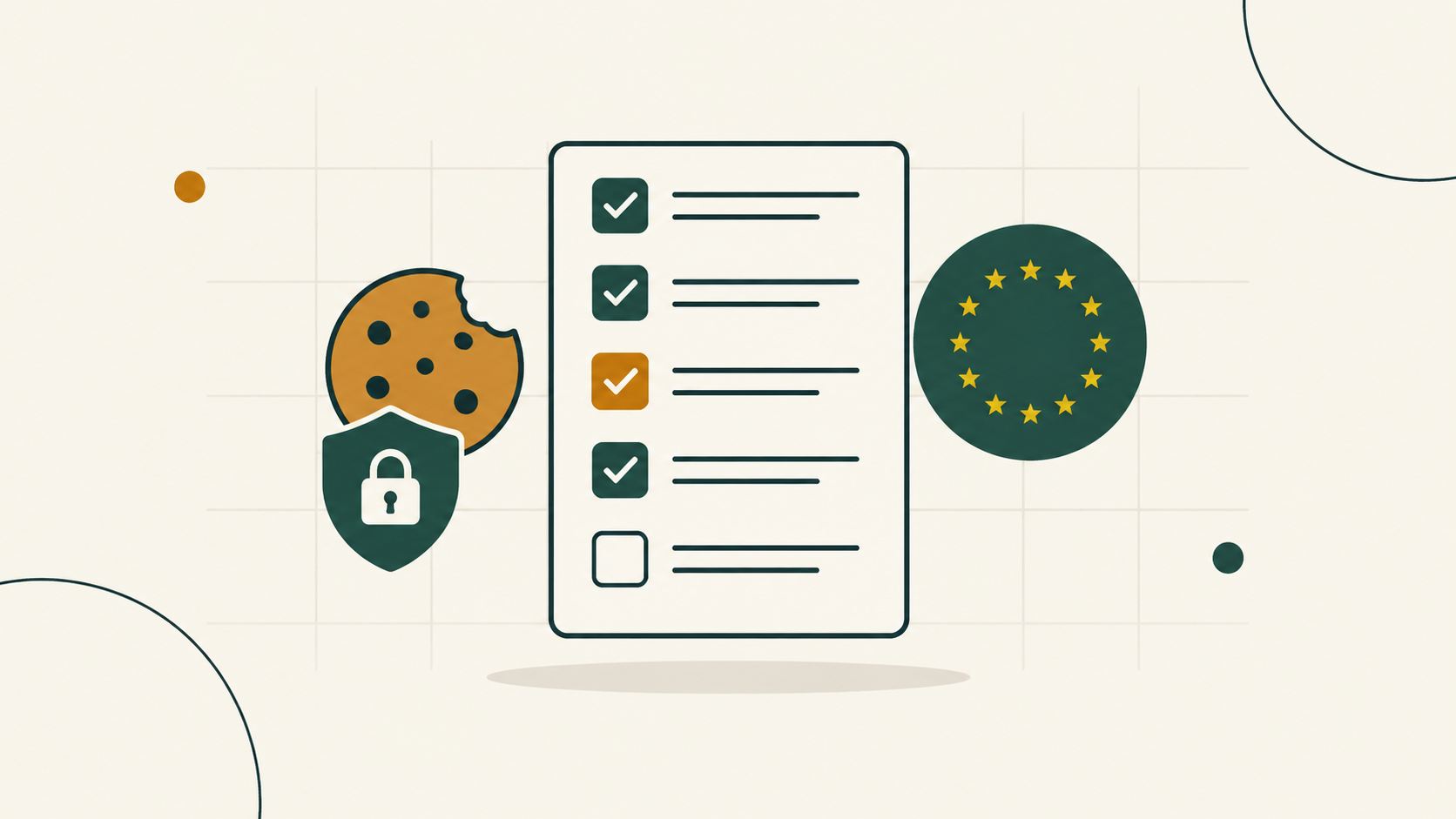
The GDPR Cookie Compliance Checklist for 2026
A plain-language, technical checklist for GDPR cookie compliance — the stuff that actually gets checked, not the legal summary you've already read a dozen times.

Google Consent Mode v2: What It Actually Checks (and What It Doesn't)
Consent Mode v2 became mandatory for EEA traffic in Google Ads and Analytics — but turning it on doesn't mean your site is compliant. Here's the gap nobody explains.